2026-11-04 ·
Tattoo Removal After Summer Sun Exposure in Arizona
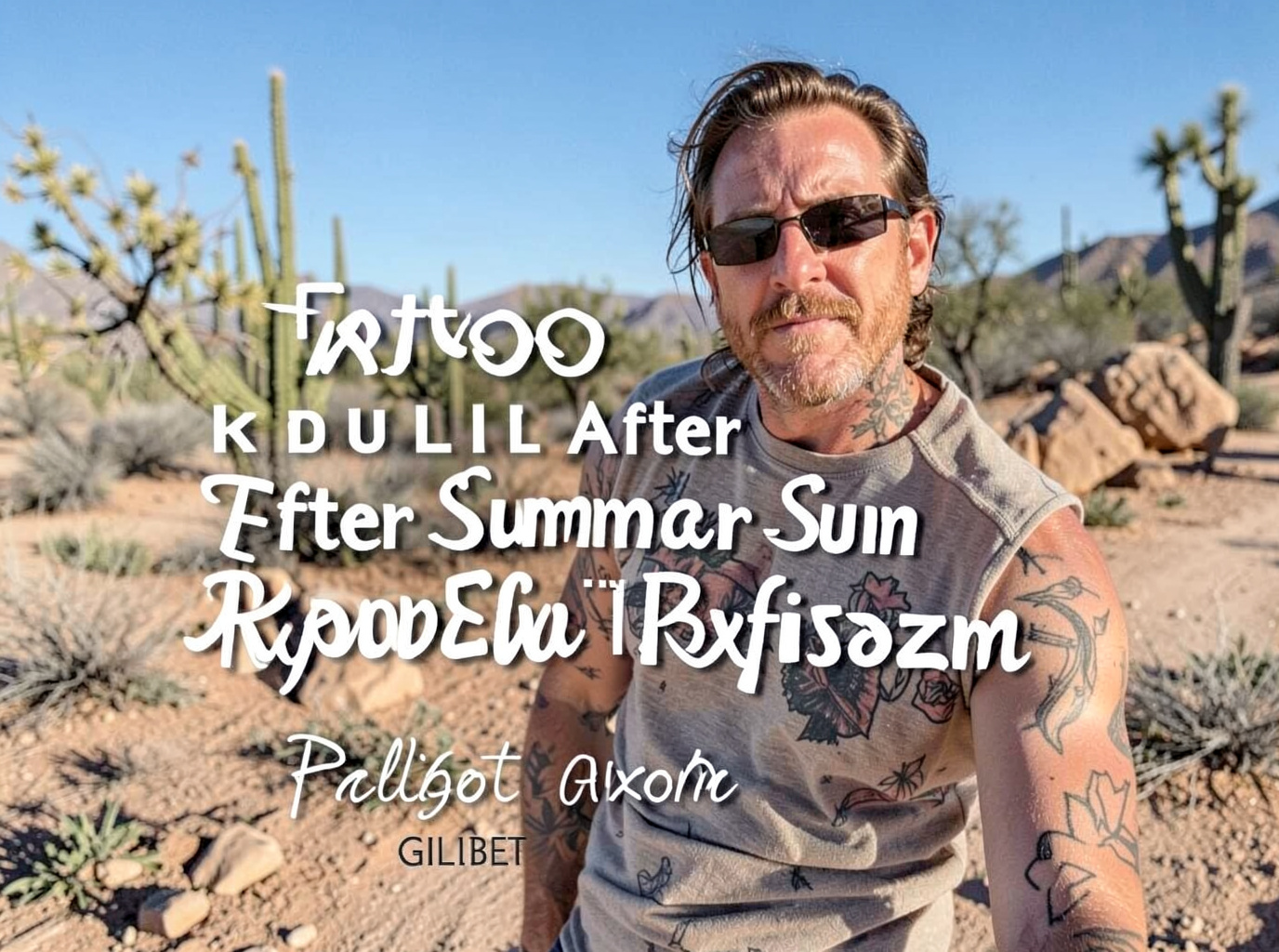
Yes, you can get laser tattoo removal after summer sun exposure in Arizona, but the treated skin needs to be back to its baseline tone first — typically 2 to 4 weeks of consistent sun avoidance before your session. In Gilbert, where summer highs routinely exceed 105°F and the UV index hits extreme levels from May through September, this waiting period matters more here than almost anywhere else in the country. Tanned or sunburned skin absorbs laser energy differently, raising the risk of blistering, hypopigmentation (permanent light spots), and wasted sessions. If you've spent the season at Gilbert Regional Park, floating the Salt River, or simply driving around Maricopa County with your forearm out the window, your skin is darker now than it was in February — and that changes the plan.
Why Arizona Sun Complicates Laser Tattoo Removal
Laser tattoo removal works by targeting ink particles with concentrated light pulses. The laser is calibrated to distinguish ink from skin largely by contrast — dark pigment absorbs energy, lighter surrounding skin reflects it. When your skin is tanned, that contrast shrinks. The melanin in tanned skin competes with the ink for laser energy, which means two problems at once: less energy reaches the ink (slower fading), and more energy heats your skin (higher risk of burns and pigment changes).
In the East Valley, this isn't a minor consideration. Even residents of Power Ranch or Agritopia who work indoors get meaningful sun exposure walking to the car, checking the mail, or spending weekends at the Riparian Preserve. A tan you barely notice can still interfere with treatment. And Gilbert's mild winters mean many people are outside year-round — there's no natural off-season the way there is in colder climates. The practical takeaway: laser tattoo removal in Gilbert is safest and most effective when your skin is at its lightest, natural tone, and in this climate that takes deliberate effort.
How Long to Wait After Sun Exposure
The honest answer depends on how much color you picked up:
- Light tan (a shade or two darker): Wait 2 weeks minimum, and be strict about sunscreen and covering the area before your session.
- Noticeable tan or sunburn that has peeled: Wait 3 to 4 weeks. Treating peeling or healing skin is off the table entirely — the skin barrier must be intact.
- Recent sunburn: Reschedule, full stop. Laser over sunburned skin can cause scarring and severe pigment loss.
A reputable technician will assess your skin tone against its untanned baseline at every visit, not just the first one. If you're darker than baseline, a good operator will push your appointment back rather than treat over a tan — even if that costs you a few weeks. In the Phoenix metro, where sun exposure is nearly constant, this happens often, and honest providers treat it as routine, not an inconvenience.
What Sun Damage Does to Removal Timelines
Most tattoos need 6 to 10 sessions spaced 6 to 8 weeks apart to fully clear, and sun exposure stretches that in two ways. First, tanned skin forces lower energy settings, so each session removes less ink. Second, sun damage itself degrades skin quality — chronic UV exposure thins the dermis and breaks down collagen, which slows the body's ability to clear the fragmented ink particles that the laser breaks up. Your lymphatic system does the actual removal work between sessions, and damaged skin simply processes more slowly.
This is especially relevant for older Gilbert residents with tattoos from the 1990s or early 2000s who also have decades of Arizona sun on the same skin. If your tattoo sits on a forearm, shoulder, or calf — the areas that catch the most sun driving around Chandler or Mesa — expect your provider to discuss realistic timelines. Fading for a cover-up is often a smarter goal than full removal for sun-damaged skin; tattoo fading for cover-ups requires fewer sessions and puts less cumulative stress on UV-worn skin.
Protecting Your Tattoo Between Sessions
Sun protection is the single biggest thing you control in the 6 to 8 weeks between laser sessions. In Gilbert's climate, treat it as non-negotiable:
- SPF 30 to 50 broad-spectrum sunscreen on the treatment area every single day, reapplied every 2 hours when outdoors — even for a morning at Heritage Court or the Downtown Gilbert farmers market.
- Physical coverage beats sunscreen when possible: UPF-rated sleeves, lightweight long sleeves, or shade. A $15 cooling sleeve does more than any sunscreen during a July afternoon.
- No intentional tanning, including spray tans on the treatment area — the pigment in self-tanners can also absorb laser energy.
- Watch the window and car exposure. UVA rays penetrate glass, so a long drive to Queen Creek with the window down tans your forearm just like standing outside.
Monsoon season adds its own wrinkle — humidity and heat rash can irritate healing skin. Our guide to aftercare steps for laser treatments during monsoon season covers that in detail.
Timing Your Treatment Around Gilbert's Seasons
The smartest schedule for most Maricopa County residents runs sessions from roughly October through April, when UV intensity drops and skin naturally lightens. You'll still need sunscreen — the desert sun doesn't take winter off — but your baseline tone is easier to maintain, and healing is more comfortable without 110°F afternoons. If you start a treatment plan in fall, you can often complete 4 to 5 sessions before the following summer, then pause or space sessions out during peak sun months.
That said, don't let the calendar scare you off starting in summer. Plenty of clients in Layne Heights and San Tan Ranch begin treatment in June or July and do fine — they're just disciplined about coverage and honest with their technician about sun exposure. What matters is that your skin matches its baseline at every appointment, not what month it is.